4 Tools General Dentists Use To Improve Patient Comfort
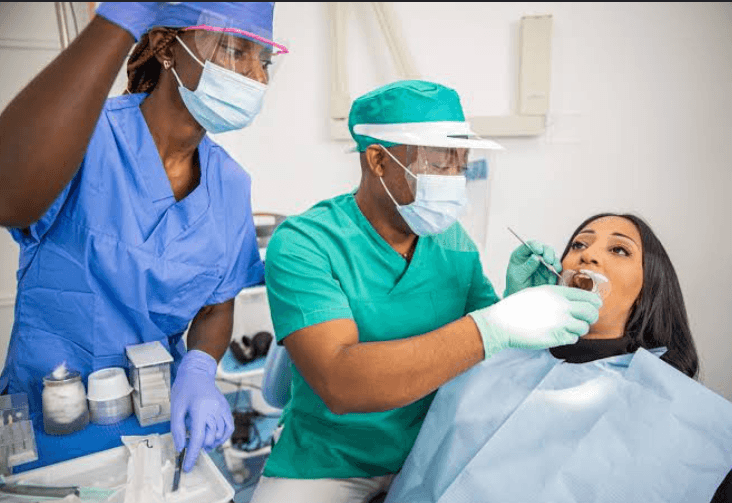
You lie back in the chair, hear a tray move, catch the smell of a dental office, and your body tenses before anything even starts. That reaction is common. A lot of people are not afraid of the actual treatment as much as they are afraid of pain, loss of control, or being caught off guard. Comfort matters because when you feel safe, you are more likely to keep appointments, ask questions, and get care before small problems turn into expensive ones. If you are looking for a dentist in Denton, TX, finding one who prioritizes comfort can make those visits feel much more manageable.
The good news is that many comfort focused dentists do not rely on one trick. They use a mix of tools, techniques, and communication to make treatment easier on your body and your nerves. The four tools below show how a general dentist can reduce pain, lower stress, and help you recover with less disruption.
Local anesthetic and precise numbing tools reduce pain at the source
For many patients, the hardest part is waiting for pain that may never come. That anticipation can feel worse than the procedure itself. Modern numbing methods are designed to stop pain before it starts, and they are often more targeted than people expect.
A general dentist may use topical anesthetic first so the injection site feels dull before the needle is even involved. Some offices also use devices that control the flow of anesthetic more slowly and precisely, which can reduce the burning or pressure sensation that people remember from older dental visits. Better technique matters too. A calm pace, warmed anesthetic, and careful placement can change the whole experience.
Pain control does not end when the appointment does. Dentists are also paying closer attention to safer recovery planning. The National Institute of Dental and Craniofacial Research offers guidance on opioids information for dentists, which reflects a wider shift toward effective pain relief with fewer risks. If you have ever worried about needing strong medication after treatment, that conversation is worth having before care begins.
Dental lasers and minimally invasive technology make treatment gentler
Some of the best comfort tools are the ones that reduce how much treatment you need in the first place. Minimally invasive care aims to preserve healthy tooth structure and avoid the kind of deep drilling that can leave you sore afterward. When a cavity or gum issue is caught early, the fix is often smaller, faster, and easier to tolerate.
In some offices, lasers are part of that approach. A laser can help with certain soft tissue procedures and may reduce bleeding, swelling, and the need for sutures in selected cases. Digital imaging also helps because it gives your dentist a clear view without guesswork, which can shorten treatment time and improve planning.
Research continues to support more conservative, patient centered dental care. A recent study indexed on PubMed adds to the growing evidence that less invasive methods can improve the patient experience while still protecting oral health. If you have put off care because you picture a loud, uncomfortable visit, the tools used in many offices today are not the same as the ones people remember from years ago.
Noise reduction, bite blocks, and ergonomic supports ease physical strain
Not all discomfort comes from pain. Sometimes it is the jaw fatigue, the sound of instruments, the dry mouth, or the strain of holding still when you already feel tense. Those smaller stressors pile up. By the end of a visit, they can leave you feeling worn out even if the treatment itself went well.
This is where simple physical comfort tools make a real difference. Bite blocks help you rest your jaw instead of forcing your mouth open for long stretches. Neck pillows and chair positioning reduce strain in your back and shoulders. Suction tools can keep your mouth clearer and cut down on that panicky feeling some patients get when water starts to collect. Noise reducing options, including quieter equipment or headphones in some offices, can make the room feel less overwhelming.
These details matter most for people with TMJ pain, strong gag reflexes, sensory sensitivity, or dental anxiety. A patient comfort dentistry tools approach often looks ordinary from the outside, but it changes the visit in ways you feel immediately.
A trauma informed environment helps patients feel safe and in control
Comfort is not only physical. If you have ever had a painful appointment, felt dismissed, or lived through trauma that makes close contact hard, the dental chair can bring all of that back fast. A dentist who understands this will not treat anxiety like a personality flaw. They will build the visit around trust.
Trauma informed care can include clear explanations before each step, agreed upon hand signals to pause treatment, more privacy, slower pacing, and language that gives you choices instead of pressure. The National Institute of Dental and Craniofacial Research describes the value of creating a safe space in the dental clinic, and that idea is larger than office decor. It is about helping you feel that your body is your own during treatment.
See also: Why Regular Checkups Lower Long Term Dental Costs
| Comfort Tool | What It Helps With | Best Fit For | What You May Notice |
|---|---|---|---|
| Local anesthetic with precise delivery | Pain during treatment | Fillings, crowns, deep cleanings, extractions | Less sting, better numbness, smoother procedure |
| Lasers and minimally invasive dental technology | Bleeding, swelling, tissue irritation | Early decay care, soft tissue treatment, gum procedures | Shorter recovery, less tissue disruption |
| Bite blocks, suction, neck support, noise reduction | Jaw fatigue, sensory overload, physical strain | Long visits, TMJ issues, strong gag reflex, anxious patients | Less tension, easier breathing, better endurance |
| Trauma informed communication and environment | Fear, loss of control, stress response | Dental anxiety, past trauma, first visits after a long gap | More trust, more breaks, fewer surprises |
Practical steps that help you get more comfortable dental care
Ask how the office handles comfort before you book. You do not need a perfect script. Ask what they offer for numbing, anxiety support, jaw support, and breaks during treatment. If an office cannot answer clearly, that tells you something.
Tell the dentist what usually makes visits hard for you. Be specific. Say if you fear injections, hate the sound of drilling, struggle to keep your mouth open, or need frequent pauses. A dentist for patient comfort can adjust care far better when they know the real problem.
Do not wait until pain forces the issue. Small cavities and early gum problems are usually easier to treat with gentler methods. Delaying care often means longer visits, deeper treatment, more soreness, and more cost.
Comfort in dentistry is not about being pampered. It is about getting the care you need without feeling overwhelmed, cornered, or hurt. The right general dental office uses practical tools to lower pain, reduce stress, and give you more control from start to finish. If you have been putting off an appointment, this may be the moment to reach out and ask what comfort options are available for your visit.