Best Home-Based Techniques for Controlling High Blood Pressure
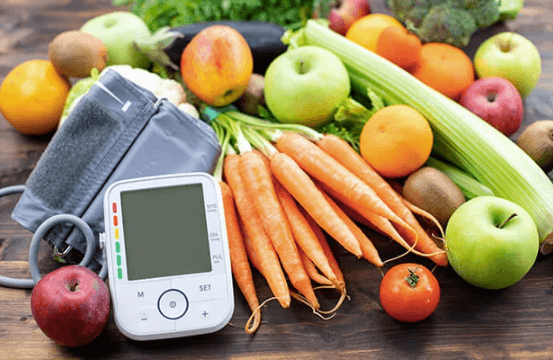
High blood pressure, also known as Hypertension, is one of the most common health conditions worldwide. If left uncontrolled, it can increase the risk of heart disease, stroke, kidney disease, and other serious complications. While medications are often necessary for some people, many effective home-based strategies can significantly lower blood pressure and improve overall cardiovascular health.
Reduce Salt Intake
Excess sodium causes the body to retain water, increasing the pressure on blood vessel walls. Limiting salt consumption is one of the most effective lifestyle changes for lowering blood pressure.
Practical tips include:
- Avoid adding extra salt to meals.
- Reduce consumption of processed foods, packaged snacks, instant noodles, and fast food.
- Read food labels and choose low-sodium products.
- Use herbs, garlic, lemon juice, and spices for flavor instead of salt.
Many people notice measurable improvements in blood pressure within a few weeks of reducing sodium intake.
Follow a Heart-Healthy Diet
A balanced diet rich in fruits, vegetables, whole grains, and lean proteins supports healthy blood pressure levels.
The eating pattern often recommended for hypertension emphasizes:
- Fresh fruits and vegetables
- Whole grains
- Beans and lentils
- Low-fat dairy products
- Fish and poultry
- Nuts and seeds
Foods rich in potassium are especially beneficial because potassium helps balance the effects of sodium. Good sources include bananas, oranges, spinach, tomatoes, sweet potatoes, and beans.
Maintain a Healthy Weight
Excess body weight forces the heart to work harder, increasing blood pressure. Even modest weight loss can have a positive effect.
Research shows that losing 5–10% of body weight can significantly reduce blood pressure in overweight individuals. Combining healthy eating with regular physical activity is usually the most effective approach.
Exercise Regularly
Physical activity strengthens the heart and improves blood circulation. A stronger heart pumps blood more efficiently, reducing pressure within the arteries.
Recommended activities include:
- Brisk walking
- Cycling
- Swimming
- Jogging
- Dancing
- Home aerobic workouts
Aim for at least 150 minutes of moderate exercise per week, which can be divided into 30-minute sessions on most days.
Regular exercise can lower systolic blood pressure by several points and also improves overall cardiovascular fitness.
Manage Stress Effectively
Chronic stress can contribute to elevated blood pressure. Stress may also lead to unhealthy habits such as overeating, smoking, or excessive alcohol consumption.
Helpful stress-management techniques include:
- Deep breathing exercises
- Meditation
- Prayer or spiritual practices
- Mindfulness training
- Listening to relaxing music
- Spending time in nature
- Engaging in hobbies
Even 10–15 minutes of daily relaxation can help reduce stress-related blood pressure increases.
Improve Sleep Quality
Poor sleep is associated with higher blood pressure and increased cardiovascular risk. Adults generally need 7–9 hours of quality sleep each night.
To improve sleep:
- Maintain a regular bedtime schedule.
- Avoid caffeine late in the day.
- Limit screen use before bedtime.
- Keep the bedroom dark and quiet.
- Avoid heavy meals shortly before sleeping.
If loud snoring, daytime sleepiness, or interrupted breathing occurs during sleep, medical evaluation may be needed because sleep disorders can worsen hypertension.
Limit Alcohol Consumption
Drinking excessive alcohol can raise blood pressure and interfere with medications used to treat hypertension.
If alcohol is consumed, moderation is important. Some people may benefit from avoiding alcohol entirely, especially if blood pressure remains difficult to control.
Stop Smoking
Tobacco use causes blood vessels to narrow and temporarily increases blood pressure with each cigarette. Long-term smoking also damages arteries and significantly increases the risk of heart attack and stroke.
Benefits of quitting begin quickly, and cardiovascular risk decreases over time. Seeking support from healthcare professionals, family members, or smoking-cessation programs can improve success rates.
Monitor Blood Pressure at Home
Home blood pressure monitoring helps track progress and identify trends.
Tips for accurate measurement:
- Rest for at least five minutes before measuring.
- Sit with your back supported and feet flat on the floor.
- Avoid caffeine, smoking, and exercise for 30 minutes before measurement.
- Measure at the same time each day.
- Keep a written record of readings.
Regular monitoring helps individuals understand how lifestyle changes affect their blood pressure and provides useful information for healthcare providers.
Reduce Excess Caffeine if Sensitive
Caffeine can cause a temporary rise in blood pressure in some individuals. The effect varies from person to person.
If you suspect caffeine affects your blood pressure:
- Monitor readings before and after consuming coffee or tea.
- Reduce intake if significant increases occur.
- Choose water, herbal teas, or other low-caffeine beverages when possible.
Stay Hydrated
Adequate hydration supports healthy circulation and overall body function. While drinking more water alone is not a cure for hypertension, dehydration can sometimes contribute to blood pressure fluctuations.
Make water the primary beverage throughout the day and limit sugary drinks.
Increase Dietary Fiber
Fiber-rich foods support heart health and may help lower blood pressure.
Excellent sources include:
- Oats
- Whole grains
- Beans
- Lentils
- Fruits
- Vegetables
- Seeds
Fiber also promotes healthy cholesterol levels and weight management, providing additional cardiovascular benefits.
See also: 7 Doctor-Supervised GLP-1 Programs I Actually Researched (Not Just Ranked by Ad Spend)
Practice Deep Breathing
Slow, controlled breathing activates the body’s relaxation response and may help lower blood pressure temporarily.
A simple technique:
- Sit comfortably.
- Inhale slowly through the nose for four seconds.
- Hold briefly.
- Exhale slowly for six seconds.
- Repeat for five to ten minutes.
Regular practice can contribute to better stress control and improved cardiovascular well-being.
Conclusion
Controlling high blood pressure at home requires consistent lifestyle habits rather than a single solution. Reducing salt intake, eating a nutritious diet, maintaining a healthy weight, exercising regularly, managing stress, sleeping well, avoiding tobacco, limiting alcohol, and monitoring blood pressure can collectively produce substantial improvements. These strategies are most effective when practiced consistently over time.
If blood pressure remains elevated despite lifestyle changes, or if readings are repeatedly above 140/90 mmHg (or above targets recommended by your healthcare provider), medical evaluation is important. Lifestyle measures and prescribed treatment often work best together to protect long-term heart and vascular health.