
Professional Possum Removal Paddington for Safer and More Peaceful Homes
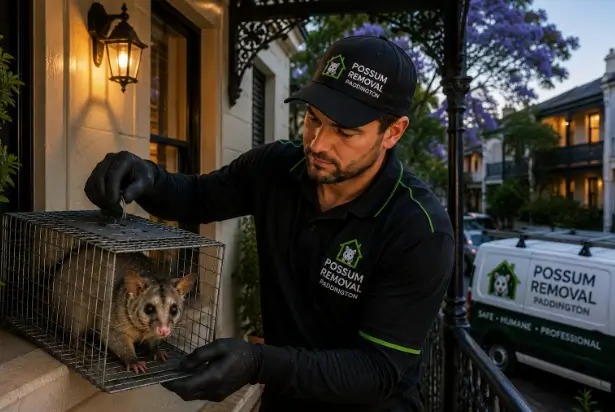
Possums are a familiar sight across many Sydney suburbs, particularly in neighbourhoods with established trees, gardens, parks, and older residential properties. They are naturally active after dark and can often be seen moving along fences, branches, rooftops, and garden areas. Seeing a possum outside is generally part of living alongside native wildlife. The situation becomes more challenging when the animal discovers an opening into a roof cavity, ceiling space, garage, or another enclosed part of a home.
Residents may first notice the problem because of scratching, thumping, or movement above the ceiling during the night. Once a possum begins using a roof as shelter, the disturbance may continue regularly until the reason for its presence is properly addressed. Professional Possum removal Paddington can help homeowners understand how the animal is entering the property and what can be done to create a more lasting solution.
Possum problems are not limited to inner-city neighbourhoods. Homeowners looking for possum removal North Turramurra may experience similar challenges, particularly where properties are surrounded by mature vegetation and wildlife habitat. Regardless of the suburb, effective possum management should focus on correct identification, responsible removal, property protection, and prevention rather than simply forcing an animal out temporarily.
Why Possums Choose Residential Roof Spaces
Possums naturally need secure places where they can rest during daylight hours. Tree hollows provide suitable shelter in natural environments, but residential development can reduce the number of available hollows. Roof cavities can unintentionally become alternatives because they provide darkness, protection, and relative quiet.
Paddington contains many established homes with varied roof designs, mature streetscapes, and properties located close together. Possums are capable climbers and can move between trees, fences, walls, sheds, and rooftops with relative ease. Once an animal reaches a roof, even a small vulnerable area may provide an opportunity to investigate the interior.
Openings can occur around eaves, roofing materials, vents, or other exterior features. Ageing building materials, weather exposure, previous repairs, and general deterioration can create gaps over time. A homeowner may not notice these openings from ground level, particularly when they are located along higher or less visible sections of the building.
The surrounding environment can also influence possum activity. Gardens, fruit trees, accessible rubbish, compost, and pet food can encourage wildlife to spend more time near a property. These attractions do not necessarily mean that a possum will enter the building, but they can increase activity around a home where suitable shelter is also available.
Similar conditions can contribute to the need for possum removal North Turramurra. Properties surrounded by trees and vegetation may provide possums with easy routes between natural habitat and residential roofs. Understanding these routes is an important part of preventing repeated problems.
Recognising the Signs of Possum Activity
One of the most common signs of a possum inside a building is nighttime noise. Because possums are generally active after sunset, residents may begin hearing movement when the rest of the home becomes quiet.
The sound of a possum moving through a roof cavity can be surprisingly noticeable. Homeowners may hear scratching, thumping, running, or heavier footsteps travelling across the ceiling. The disturbance can become particularly frustrating when the activity occurs directly above bedrooms.
However, noises alone should not be considered proof that a possum is present. Rats, mice, birds, and other animals can also enter roof spaces and produce similar sounds. Correct identification is therefore important before deciding how the situation should be managed.
Other signs can provide additional clues. Droppings, disturbed insulation, unusual odours, marks around possible entry areas, or visible damage to exterior materials can indicate wildlife activity. Some residents may also observe a possum leaving the property around dusk.
Watching the exterior of the home during the evening can sometimes help identify the access route. The location where the noise is heard inside may be different from the point where the animal enters because a possum can move through several areas of the roof cavity.
Professional Possum removal Paddington should begin by understanding these signs and confirming what animal is actually present. Correct identification allows attention to be directed toward the real cause of the problem.
Why Professional Possum Removal Is Important
Possums are native wildlife, which means managing them requires a different approach from dealing with common household pests. The objective is to keep the animal outside the building rather than attempting to remove possums from the surrounding environment.
A professional approach begins with assessing the property. Understanding where the possum is spending time, how it is reaching the roof, and which opening it may be using can provide valuable information before any action is taken.
Simply encouraging the possum to leave for a night does not necessarily solve the problem. If the same opening remains available, the animal may return. Another possum could also discover the vacant shelter later.
Timing is equally important. Possums may spend daylight hours resting inside a roof and leave after dark. Closing an opening without confirming that the animal is outside can trap it within the building. This can create a more complicated problem and additional disturbance.
Professional Possum removal Paddington therefore needs to consider removal and exclusion together. The animal’s immediate presence is only one part of the issue. The property conditions that allowed access also need attention.
The same principle applies when arranging possum removal North Turramurra. Even when properties and surrounding environments differ, the long-term goal remains consistent: identify how wildlife is entering and make the building less accessible in the future.
Preventing Possums From Returning to the Property
Prevention is one of the most important parts of successful possum management. A roof cavity that has provided secure shelter once may continue to attract wildlife unless the relevant access points are addressed.
Homeowners can begin by considering vulnerable exterior areas. Gaps around roofing, eaves, vents, and other building features may provide entry. Loose or damaged materials can also create openings that become larger over time.
Once the animal is confirmed to be outside, appropriate gaps can be secured. It is important to consider more than one possible entry point because fixing only the most obvious opening may leave another route available.
Access to the roof should also be examined. Possums are excellent climbers and can use nearby branches, fences, sheds, walls, and other structures. Paddington’s closely positioned properties can provide multiple pathways, while greener suburbs may offer extensive tree access.
Vegetation does not need to be removed simply because possums use it. Trees and gardens are valuable parts of the urban environment. Sensible maintenance can instead focus on obvious pathways that lead directly toward vulnerable areas of a building.
Food management can support prevention as well. Pet food does not need to remain outdoors overnight, rubbish should be properly secured, and fallen fruit can be collected where practical. These simple measures can reduce unnecessary attractions immediately around the home.
Regular maintenance is particularly useful for properties that have experienced previous possum activity. Roofs change over time, and weather or ageing materials can create new access points. Early attention to visible damage can reduce the chance of another animal establishing shelter inside.
See also: Freight Rate Management Engine: How to Build Dynamic Pricing and Rate Comparison Modules
Managing Possums Responsibly Around Sydney Homes
A possum entering a home is generally looking for shelter rather than intentionally creating a problem. Understanding this behaviour can help homeowners respond more effectively.
The goal of Possum removal Paddington should be to restore the boundary between the home and the surrounding wildlife environment. Possums can continue moving through trees, gardens, and outdoor areas without needing access to roof cavities or other enclosed spaces.
Alternative outdoor shelter can sometimes support this approach. Where a property has suitable trees, a purpose-built possum box may provide another protected resting place. This can be useful in areas where natural hollows are limited.
Alternative shelter should be considered together with building protection. Leaving an existing roof opening accessible while providing another shelter may not change the animal’s behaviour because the roof remains a secure and familiar option.
A stronger long-term strategy is to make the building inaccessible while maintaining suitable outdoor habitat where practical. This creates a clear distinction between human living spaces and areas available to wildlife.
Homeowners seeking possum removal North Turramurra can apply the same principle. The surrounding environment may contain significantly more vegetation, but possums can remain part of that environment without living inside the house.
Responsible management therefore does not mean making a property completely unattractive to wildlife. It means preventing animals from crossing the boundary into areas where their presence creates conflict.
Keeping Paddington and North Turramurra Homes Protected
Possums are part of Sydney’s native environment, and their presence in residential neighbourhoods is likely to continue. Homeowners do not need to eliminate wildlife from their gardens to maintain a comfortable property. What matters is ensuring that roof cavities and other enclosed spaces remain protected.
Professional Possum removal Paddington can help homeowners address both the immediate disturbance and the conditions that allowed the problem to develop. Identifying the animal, understanding its access route, managing its presence appropriately, and securing vulnerable areas can provide a much stronger result than relying on temporary deterrents.
For households requiring possum removal North Turramurra, prevention is equally important. Properties surrounded by mature trees may naturally experience regular possum activity outdoors, making secure roof access particularly valuable. The presence of possums in the neighbourhood does not have to mean repeated problems inside the home.
Regular maintenance can make a significant difference. Monitoring roofing, eaves, vents, and previously affected areas can help homeowners notice new gaps before wildlife establishes itself inside. Sensible vegetation management and reducing easily accessible food sources can further support prevention.
The most effective approach creates a balance between residential comfort and the surrounding natural environment. Possums can continue living and moving through suitable outdoor habitat while homeowners maintain quiet, secure, and comfortable indoor spaces.
By addressing the cause rather than only the immediate symptoms, residents can reduce repeated nighttime disturbances and protect their properties for the future. A well-maintained home with carefully managed access provides a clearer boundary, allowing people and native wildlife to share the same neighbourhood without having to share the same roof.